Living in cities affords us all kinds of convenience - fast delivery of pretty much whatever we want right to our homes, stores that sells everything we need and want, the choice to drive everywhere... the list goes on and on.
But every decision we make on a daily basis has an impact. The amount of plastic used t pack the things we buy, the carbon footprint that comes from door to door delivery, polluition caused by high volume of vehicles on the road, the lack of trees to make up for all the harm we cause etc.
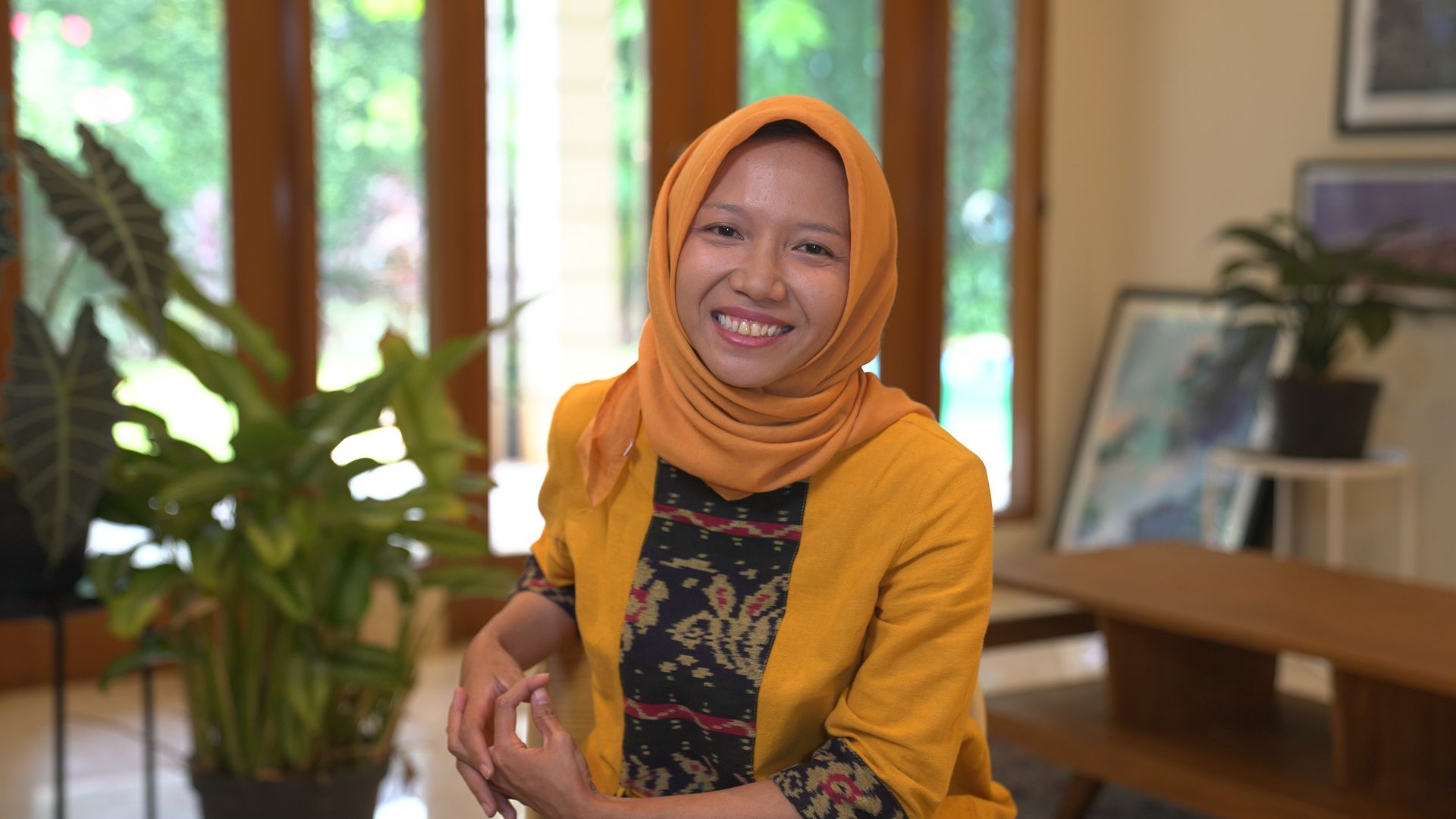
Dr Intan Suci Nurhati
Growing up in a big city like Jakarta, Dr Intan Suci Nurhati said that she felt "disconnected" from nature and have wondered if whatever she does makes any difference.
"I live in the city, but my waste goes to the oceans and I happen to live right next to Java Sea. And then it goes back the other way around, as well.
"So what I change, what can I change actually can change what happens to the climate, because I'm the culprit. So if I stop the faucet, then that is the solution," she said.
Speaking on climate "doom", Dr Intan said that there could be a disconnect between the actual situation and what people are getting from multiple channels.
"I think the disconnection also happens when people read too much about climate negotiations and you know all this politics.
"But again, the point is that there's so many things that we can do on local levels. Think about as simple as planting trees, you can do that planting trees actually absorb carbon. And then if you have a solar, solarize your home as much as possible. You can start small. For example, if you have lawn, you can just use the small solar panel you know. So start stuff like that, and just protecting the environments if you live," she said.
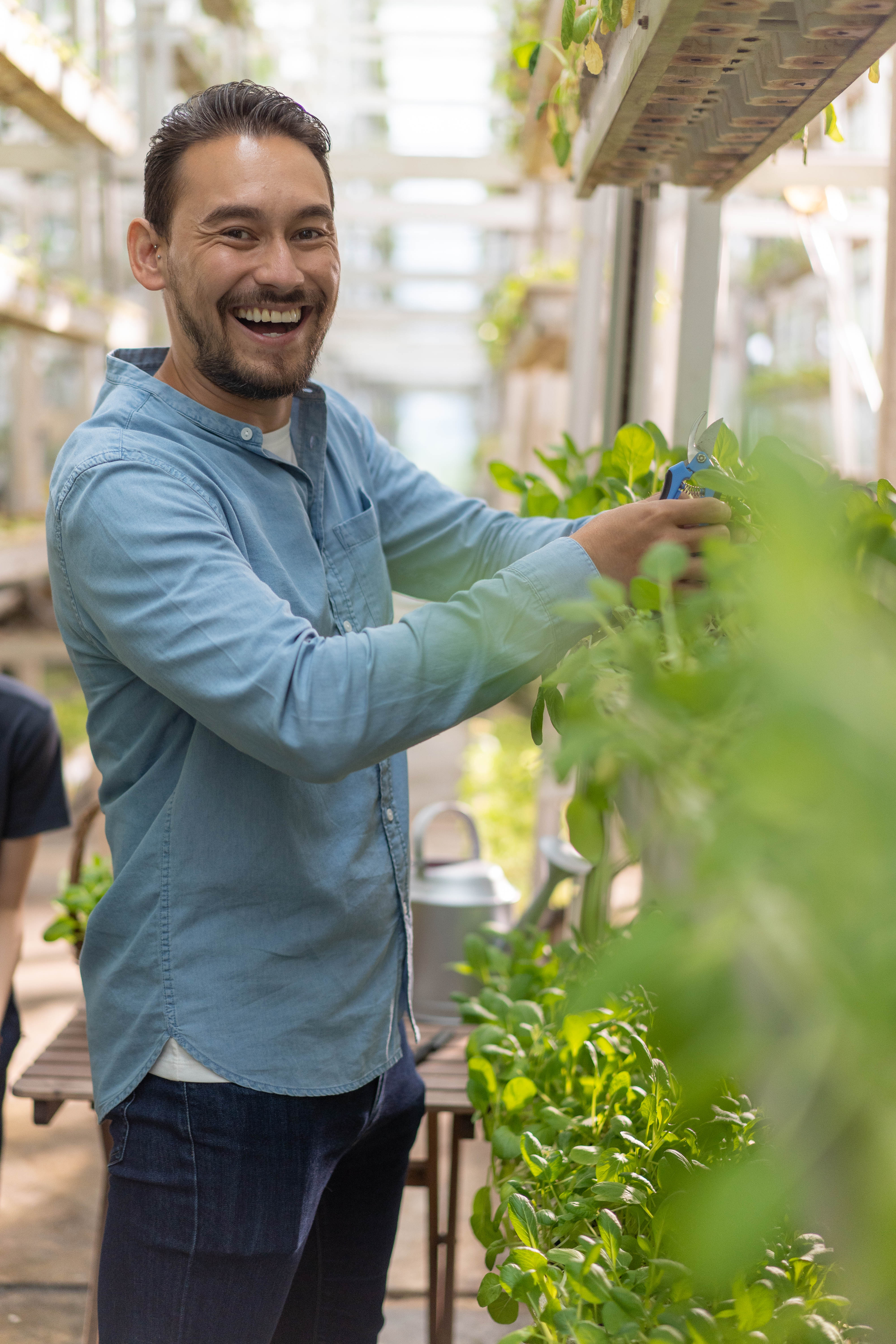
Paul Foster
Paul Foster chimed in, admitting that the journey to sustainability is an everyday learning process that can feel daunting and overwhelming.
"There's so much happening and it can be a little bit of an overload of like oh my goodness these things are happening around the world; we're killing wildlife, we're poisoning our oceans, you know, we're cutting down the forests that there's so many things that have been happening and sometimes it's very overwhelming," he said, adding that this doesn't mean that what you do as an individual cannot help change the tide. ]
Foster and Dr Intan suggested some simple ways you could start being more sustainable. Some examples they gave were practicing the 3R - Reduce, Reuse, Recycle; buying from companies that are more eco-friendly, reducing plastic use in daily life, buying products in bulk, composting, planting trees, and other seemingly small measures that can have a big impact.
Market Trends
Nat Geo's Planet Possible Day Speakers Share Some Of What You Can Expect This Sunday (24 Oct)